About Christchurch
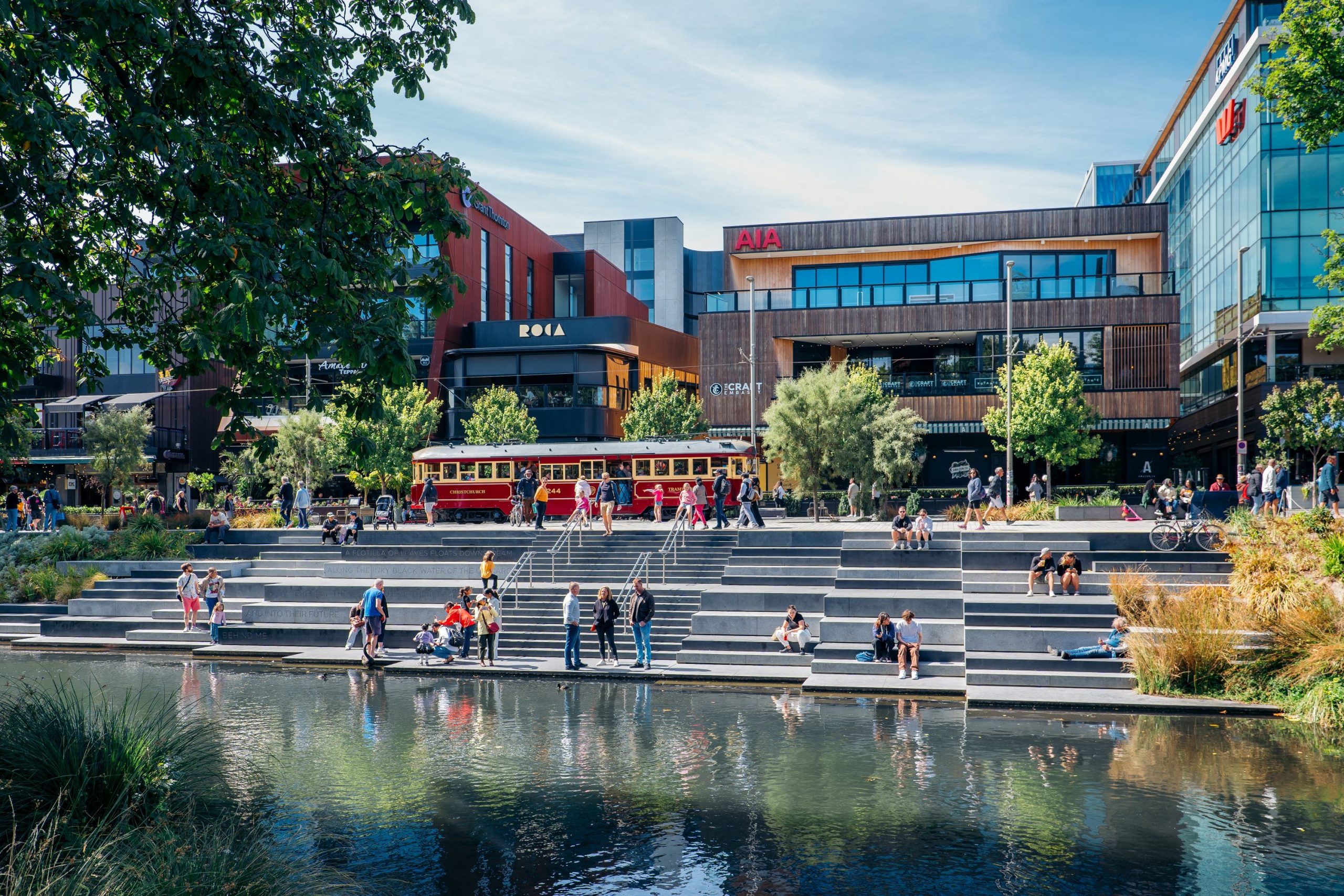
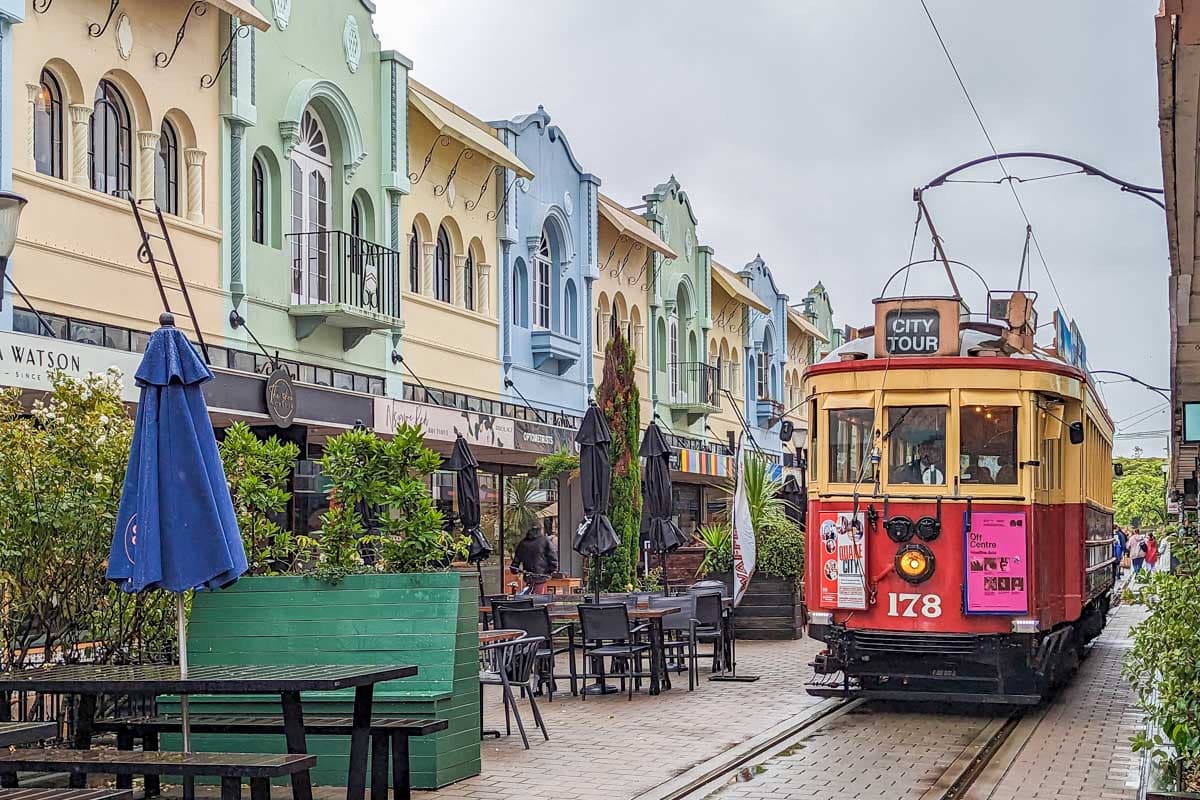
Christchurch (known natively as Ōtautahi) is the largest city in New Zealand’s South Island and serves as the primary gateway to the rest of the southern region. Known globally as the “Garden City” due to its expansive green spaces and classic heritage. In 2010 and 2011, earthquakes destroyed many of the historic centre’s stone-built buildings. But today, Christchurch has completely rebuilt itself as a modern, innovative urban hub.
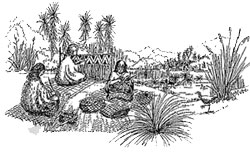
Long before Europeans arrived, the Christchurch area (known to Māori as Ōtautahi) was inhabited by Māori iwi (tribes). The land was very important for its rivers, wetlands, and coastal access. People used the area around the Avon River / Ōtākaro and surrounding swamps for fishing, eeling, bird hunting, and gathering food. The waterways also acted as travel routes and connected different settlements along the east coast of the South Island.
Image source: Christchurch City Libraries
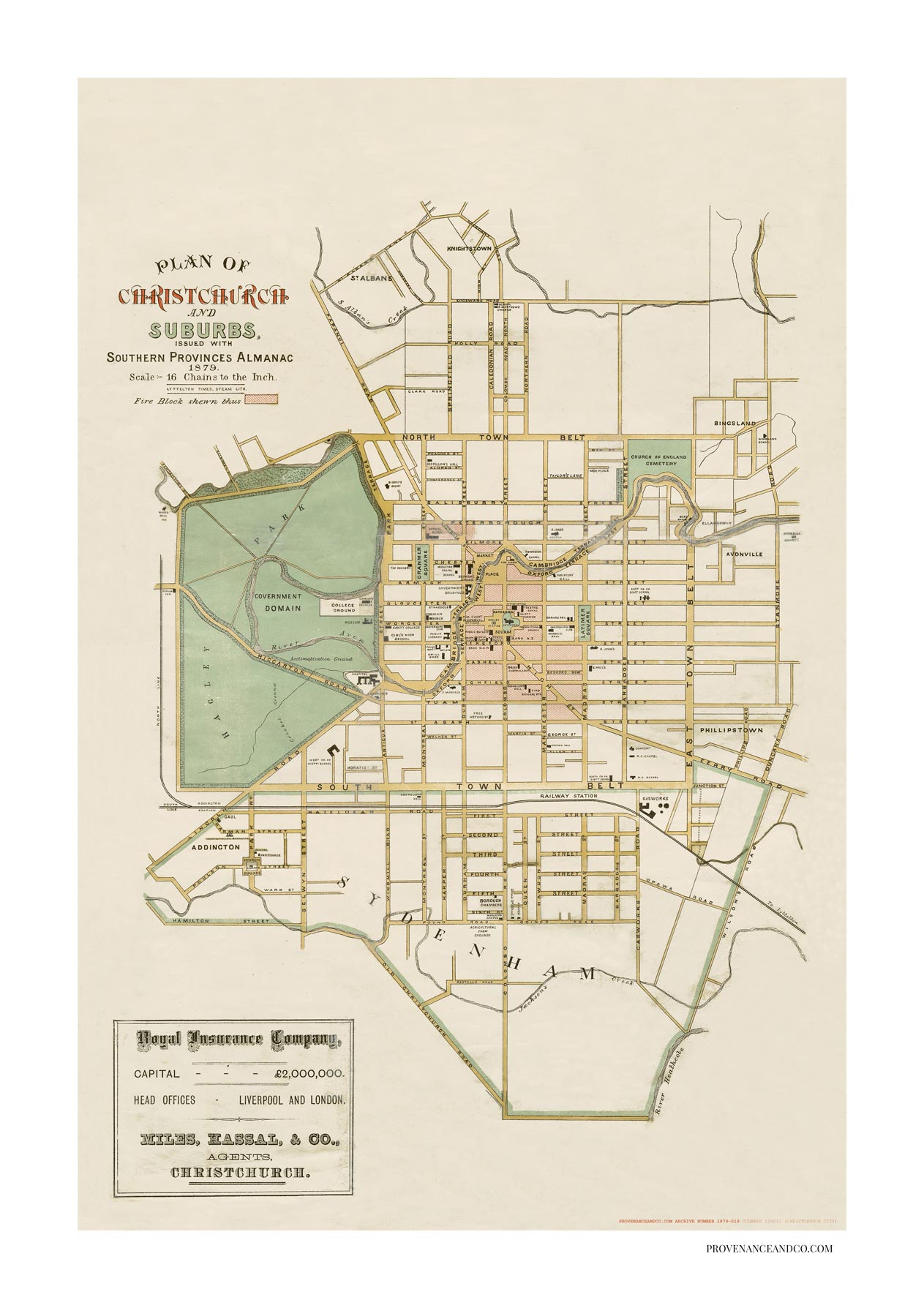
European settlement began in the 1840s and 1850s, led by the Canterbury Association, which aimed to create a “model Anglican city” based on English ideals. The city was carefully planned with a grid street layout, a central cathedral square, and large green reserves like Hagley Park.
Christchurch officially became a city in 1856. Early settlers drained wetlands and modified the land to make it suitable for farming and housing. The surrounding Canterbury Plains quickly became one of New Zealand’s most productive agricultural regions, helping the city grow economically.
Image source: Christchurch City Libraries
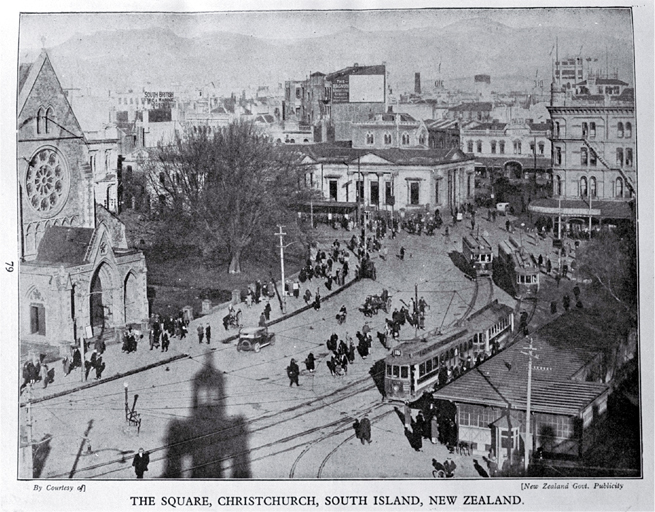
During the late 19th and early 20th centuries, Christchurch developed into a major service and transport centre for the South Island. It became known for education, commerce, and farming support industries. Infrastructure such as railways, ports (via Lyttelton), and roads connected the city to rural areas.
Important buildings like the Christchurch Cathedral became symbols of the city’s identity. Christchurch also earned a reputation for its architecture, gardens, and cultural traditions.
Image source: Canterbury Museum
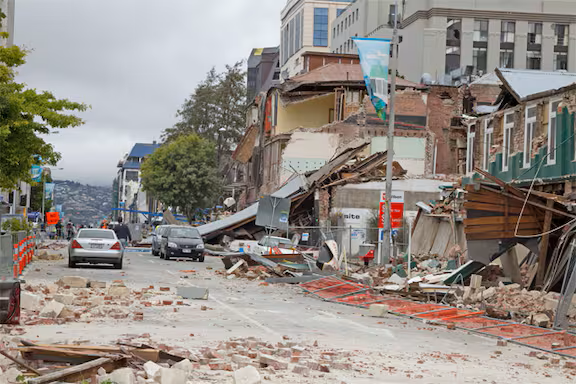
A major turning point came with the Canterbury earthquake in 2010, followed by a devastating quake in February 2011. The 2011 earthquake caused widespread destruction in the central city, loss of life, and damage to infrastructure and historic buildings.
After this, Christchurch underwent one of the largest urban rebuilds in New Zealand history. Many older buildings were replaced or restored, and the city centre was redesigned with safer, more modern construction standards. New public spaces, innovative architecture, and community projects reshaped the city’s identity.
Image source: NZ Herald
To this day, Christchurch is often described as a “rebuilding city” that blends its historic roots with modern design. It is still a key gateway to the South Island and the wider Canterbury region, and it continues to grow in technology, education, and tourism.
The city now reflects a mix of Māori heritage, colonial history, and contemporary urban design—making it one of New Zealand’s most dynamic and evolving cities.
Image source: Go New Zealand